

The Compendium Podcast
Nellie Bly: 10 Days in a Mad House to 72 Days Around the World
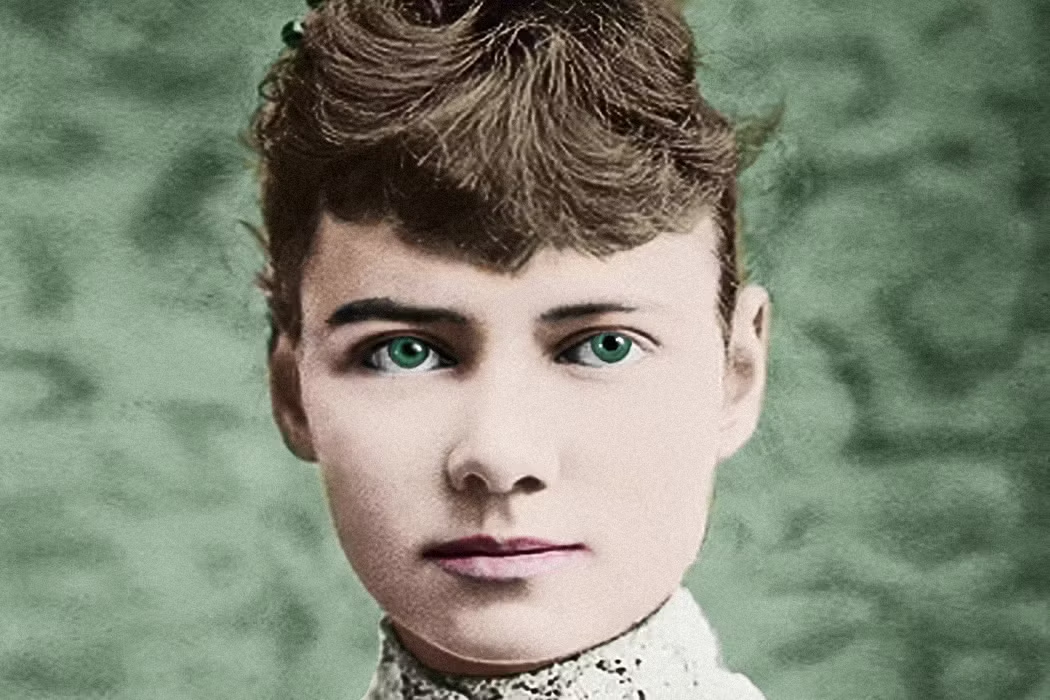
Nellie Bly did not become famous by playing safe. She faked madness to enter Blackwell’s Island asylum, exposed the cruelty inside, and then turned herself into a global sensation by racing around the world in just 72 days. It is a story of nerve, performance, and one woman refusing to stay where society put her.
Nellie Bly: 10 Days in a Mad House to 72 Days Around the World
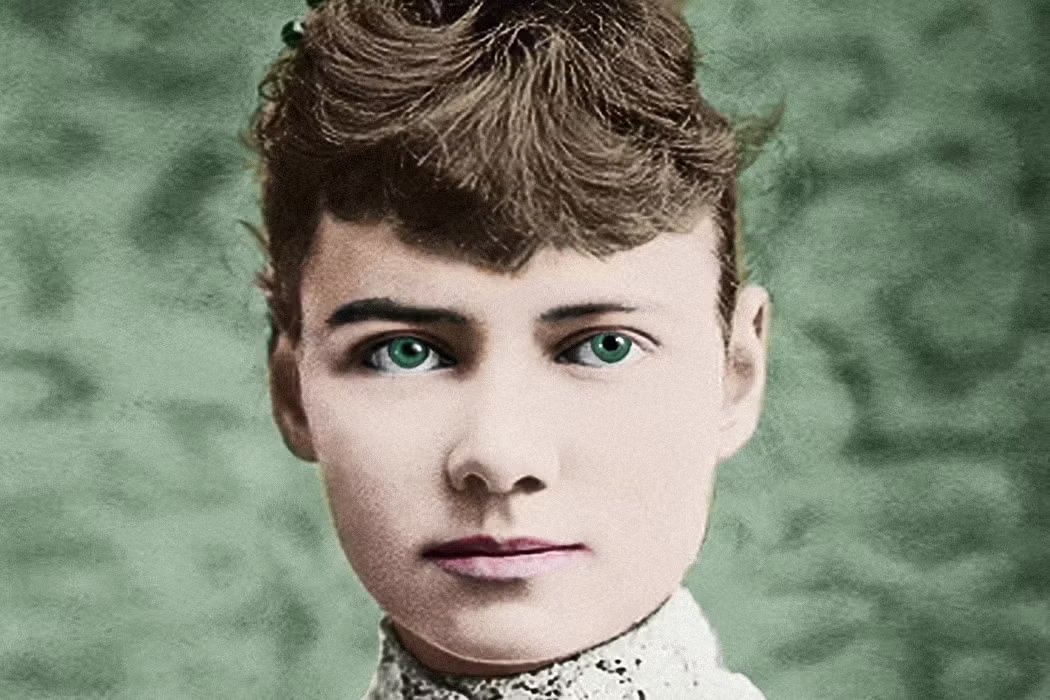
Most people know Nellie Bly for one outrageous stunt or the other. They remember the woman who got herself committed to an asylum, or the woman who raced around the world in less than eighty days. The truth is nastier, stranger, and much more impressive. Nellie Bly, born Elizabeth Cochran, did not become famous by accident. She forced her way into journalism, turned herself into the story when necessary, and then used that attention to expose institutions that preferred darkness, silence, and shut doors.
What makes her remarkable is not just nerve. It is range. She could move from outrage to performance, from social reform to sheer spectacle, and somehow make all of it feel like a serious argument about what women were allowed to do. That is why the Nellie Bly story still works so well now. It has scandal, speed, cruelty, ambition, and the deeply satisfying energy of one woman refusing to stay in the box built for her.
Who Was Nellie Bly?
Before she became Nellie Bly, she was Elizabeth Cochran of Pennsylvania, a young woman with more sharpness than the age had any real use for. Her career began after she sent an angry reply to a sexist newspaper piece called “What Girls Are Good For,” and impressed the editor of the Pittsburgh Dispatch enough to get hired. That alone would have been unusual. What mattered more was what came next: she quickly proved she could write about labour, poverty, and public life with far more bite than the decorative “women’s pages” she was supposed to stay inside. The pen name “Nellie Bly” came from a Stephen Foster song, and the voice behind it arrived fully armed.
She also learned early that journalism was as much about access as talent. By the time she reached New York, she was trying to break into a profession run almost entirely by men, gatekept by editors who did not much care what women thought unless it could be tucked beside recipes or corset ads. That changed when she got into Joseph Pulitzer’s New York World. What she wanted was serious work. What she got was something far more dangerous.
Why Nellie Bly Chose the Asylum
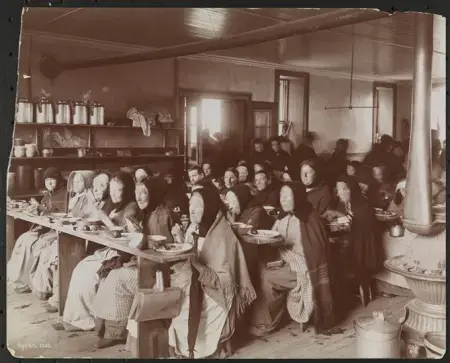
At the World, Bly was challenged to investigate Blackwell’s Island asylum, one of New York’s most notorious institutions. The rumours were already there. Patients spoke of neglect, cruelty, foul food, and arbitrary punishment, but the public had a convenient way to ignore them. If the complaints came from women labelled insane, why believe a word? Bly’s answer was simple and deranged in the best possible way: if the only testimony anyone trusted came from outside, then she would go inside.
So she feigned mental illness, got herself admitted under a false identity, and spent ten days inside the Women’s Lunatic Asylum on Blackwell’s Island. That sentence alone still sounds like the start of a thriller, but the real horror is how little effort it took to make the system accept her. Once she was marked as mad, ordinary behaviour could be reinterpreted as evidence of madness. Calm became suspicious. Coherence became proof of delusion. The trap was not just the building. It was the logic.
What Ten Days in a Mad House Revealed
The story that came out of that stay was not a gothic melodrama. It was worse. Bly described a place built on indifference, where women were cold, underfed, degraded, and trapped in a system that did not seem terribly interested in whether they were ill in the first place. Blackwell’s Island asylum became the setting for one of the defining acts of investigative journalism because Bly made readers see the institution not as a place of treatment, but as a machine for disappearance.
The series became Ten Days in a Mad House, and it hit exactly where it needed to. It was a public success, it helped make Bly a national name, and it prompted a grand jury investigation that led to reforms in patient care. That matters because the story is often retold as if it were simply a brilliant stunt. It was a stunt, yes, but not an empty one. The performance was the method. The target was institutional abuse.
Just as important, the asylum story changed journalism itself. Bly made the reporter visible. She was not a faceless byline floating above events. She was in the middle of the danger, using her own body as the instrument that forced the truth into daylight. That made her thrilling to readers and maddening to rivals, because once she had done it, newspapers everywhere wanted their own version of her.
Nellie Bly Around the World
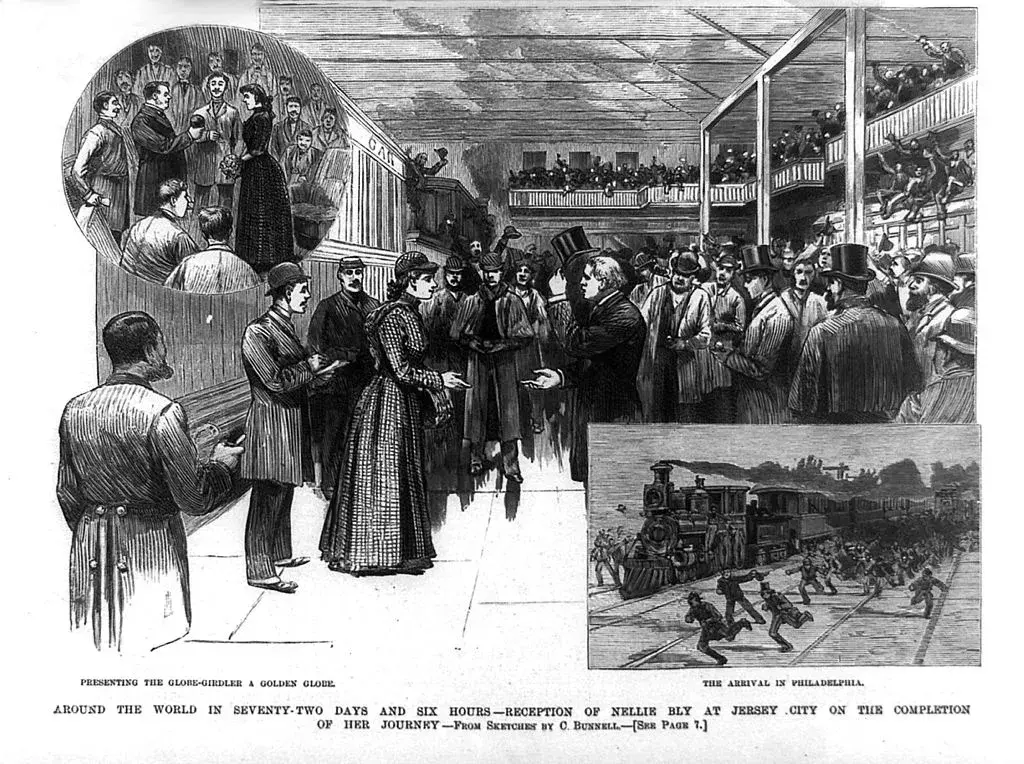
If the asylum made her famous, the journey made her mythic. In November 1889, the New York World sent Bly off to beat the fictional record set by Jules Verne’s Around the World in Eighty Days. She left Hoboken on 14 November 1889 and returned on 25 January 1890, having circled the globe in 72 days, 6 hours, 11 minutes, and 14 seconds. She travelled by ship, train, rickshaw, sampan, horse, and whatever else could keep the clock moving. Along the way she even met Verne himself in France, which is the sort of detail a novelist would be told to tone down.
The feat mattered because it was part travel story, part publicity machine, and part cultural dare. The paper turned the trip into an event, running a guessing contest that drew nearly one million entries. Readers followed her progress obsessively. When she returned, she was met with cheering crowds, fireworks, and the kind of reception usually reserved for generals or saints. Nellie Bly around the world was no longer just a headline. It was proof that a woman could travel alone, fast, publicly, and successfully in an era still asking whether she ought to leave the house unaccompanied.
This is where the story becomes bigger than biography. Bly was not only racing a fictional benchmark. She was racing every silly rule about what women were supposed to be: domestic, cautious, decorative, grateful. Instead she came back as a celebrity built on speed, audacity, and competence. The paper could market that. The public could adore it. But the deeper point was harder to domesticate. Once Nellie Bly had done all this in public, the old limitations looked less like nature and more like cowardice in fancy dress.
Why Nellie Bly Still Matters
Stopping with the asylum would do her a disservice. After journalism’s early triumphs, Bly married industrialist Robert Seaman, later helped run his company, improved conditions for workers, and patented inventions of her own. Financial disaster and fraud eventually battered that chapter of her life, but it still matters because it shows how seriously she took the questions she had once written about. She did not just describe bad systems from the outside. She tried, however imperfectly, to build a better one from the inside.
And then, because apparently one life was not enough for her, she returned to reporting. She covered women’s suffrage, wrote forcefully in support of women’s rights, and reported from Europe during the First World War, including from areas near the Eastern Front. She died in 1922, aged 57, but by then the legacy was already obvious. Nellie Bly had shown that investigative journalism could be intimate, theatrical, morally serious, and wildly popular all at once. She had also shown that fame, when handled properly, could be used like a crowbar.
That is why people still ask who was Nellie Bly, why is Nellie Bly famous, and what is Ten Days in a Mad House about. The short answer is that she was one of the great professional nuisances of modern history. She made institutions explain themselves. She made readers care. And then, just to be rude, she lapped the planet as well.
Hear the Full Nellie Bly Story
The full Nellie Bly story has more atmosphere than any article can hold: the performance of madness, the claustrophobia of Blackwell’s Island, the theatre of newspaper rivalry, and the absurd exhilaration of a woman trying to outrun a fictional clock. Listening adds the pace, the bite, and the emotional swing between outrage and awe that made her life feel so unnervingly modern.
Listen to the linked episode
Related episodes
Amelia Earhart: Flying into the Unknown
In this episode of the Compendium: An Assembly of Fascinating and Intriguing Things, we'll be journeying into the heart of aviation history as we delve into the life and legacy of Amelia Earhart. Pioneer, adventurist, and emblem of courage, Earhart's life is a testament to the power of breaking boundaries and flying into the unknown. We unpack her unprecedented solo journey across the Atlantic Ocean, her relentless p...
Baby Jessica: The Girl who Fell Down a Well and Changed News Forever
In this episode of The Compendium, we dive into the incredible story of Baby Jessica, the 18-month-old girl who fell down a well and became trapped for 58 hours. But probably more interesting than Jessica's 1987 well rescue, this event marked a pivotal moment in the history of 24-hour news coverage. That's right; it's all Jessica's fault. Learn how this incident revolutionised CNN's approach to breaking news and the...
Julie d'Aubigny: The Sword Fighting Opera Singing, Kick Ass Feminist of the 17th Century!
In this episode of the Compendium, we unravel the mysterious and audacious life of Julie d'Aubigny. From her daring duels to her captivating performances as La Maupin, Julie defied societal norms as a female opera singer in 17th-century French history. Discover the life story of this bisexual historical figure, a true icon among historical LGBTQ figures, who lived a life as scandalous as it was fascinating. Buckle up...
Frida Kahlo: Pain, Politics, and the Self-Portraits That Made an Icon
A young artist survives unimaginable pain and transforms it into paintings so bold and intimate they redefine what art can be. This episode explores Frida Kahlo’s turbulent life, from the accident that reshaped her body to the politics, passion, and creative defiance that fuelled her work. We trace her self-portraits, her fractured relationship with Diego Rivera, and the way she turned personal suffering into a visua...
The Monica Lewinsky Scandal: A “Vast Right Wing Conspiracy” of Secrets, Lies, and Political Agendas
In this episode of The Compendium , we explore how the Clinton-Lewinsky scandal extended beyond a private affair between President Bill Clinton and Monica Lewinsky. It became part of a broader effort, with some suggesting it was a "vast conspiracy" aimed at undermining the presidency, using Monica and other women as pawns in a political agenda. We examine how the scandal escalated into an impeachment trial and a medi...
Bone Wars: The Rivalry That Rewrote Dinosaur History
A bitter rivalry spirals out of control as two palaeontologists race to outdo each other and rewrite the story of the dinosaurs. This episode explores the Bone Wars, the feud between Edward Cope and Othniel Marsh that pushed American palaeontology to new heights and embarrassing lows. From sabotage and rivalry to genuine scientific breakthroughs, we trace how their obsession uncovered extraordinary fossils while near...
Join the Patreon
Get ad-free listening, early access, bonus archive drops, and your private RSS feed without switching apps.